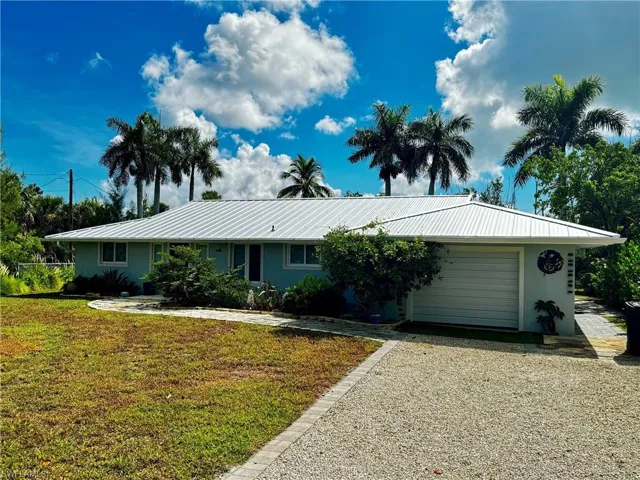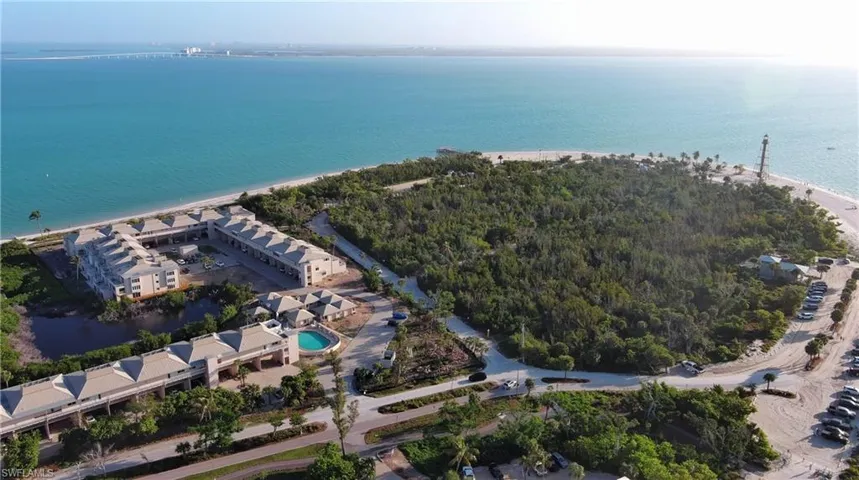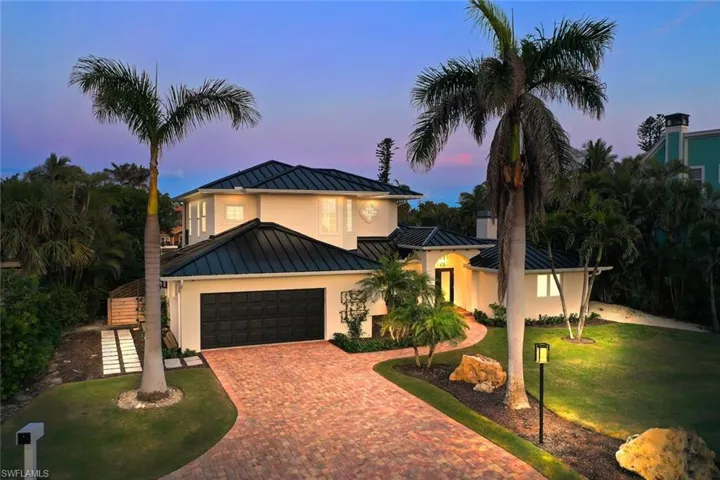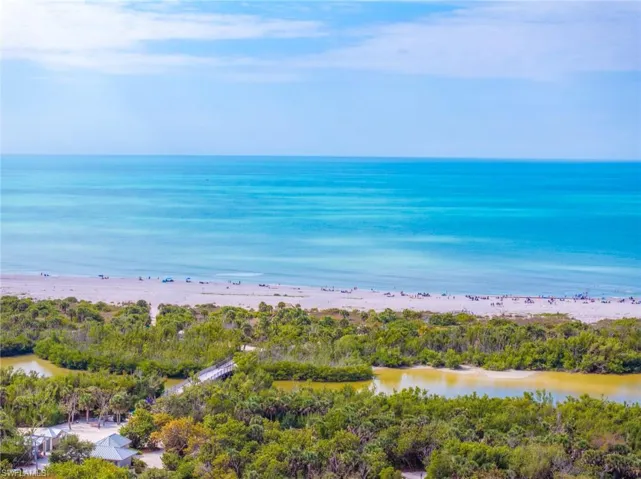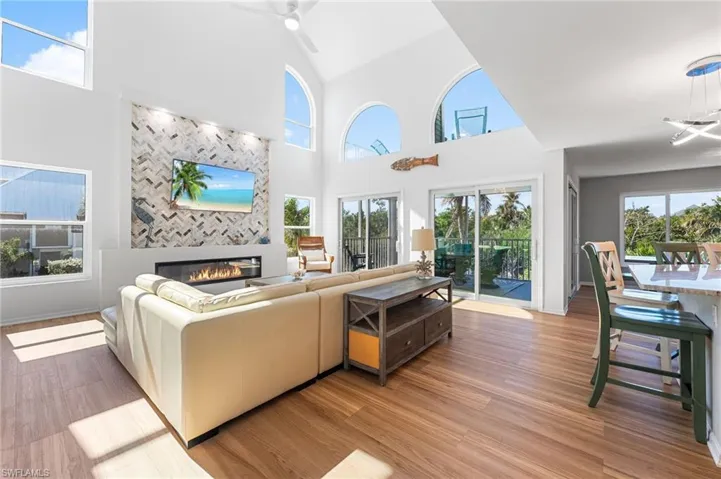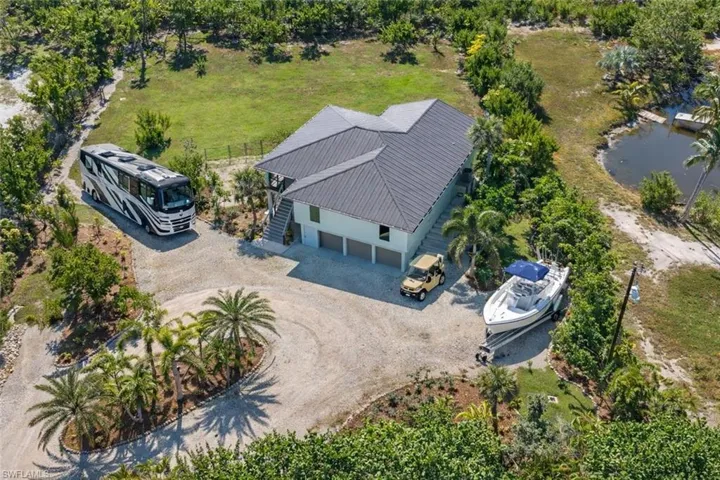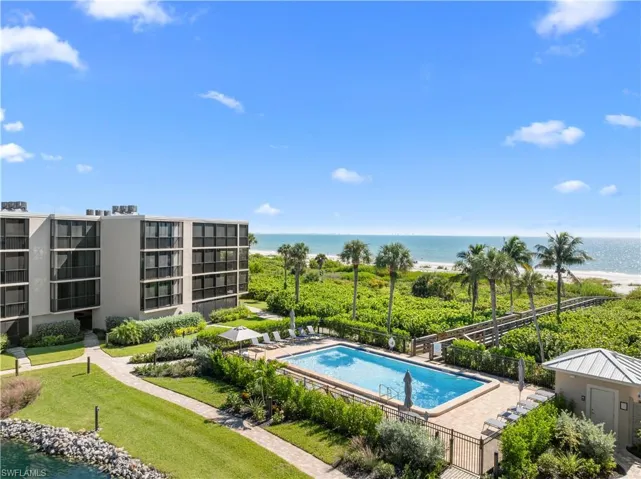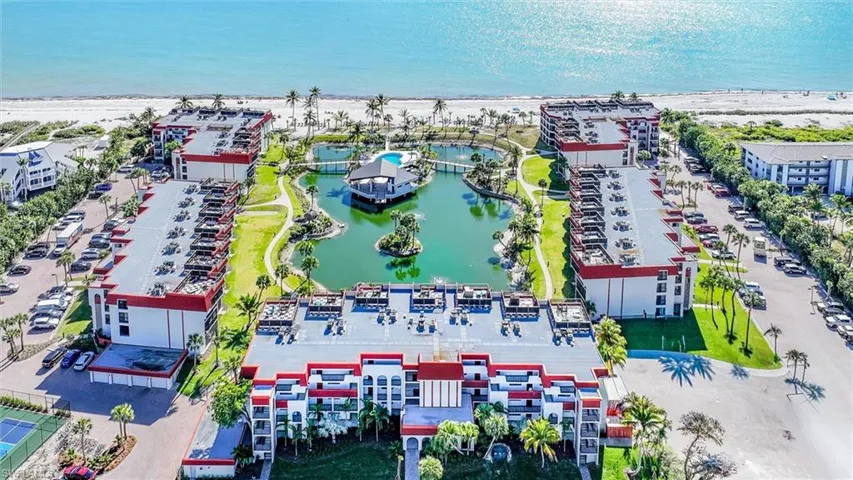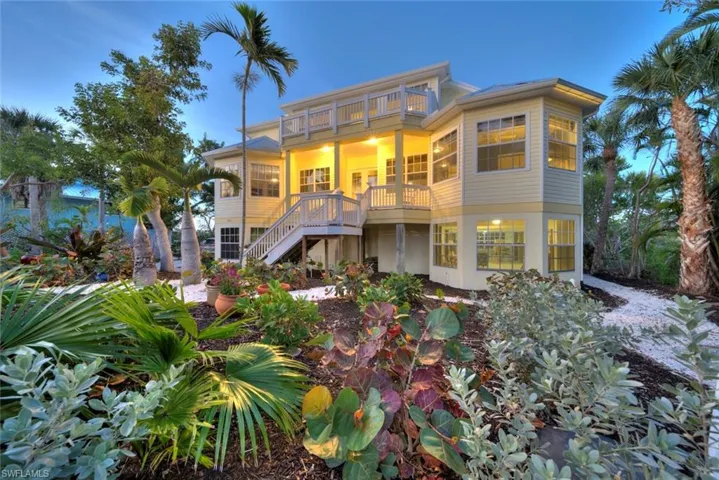
Sanibel Island is a small barrier-island city in Lee County, Florida, reached by the three-mile Sanibel Causeway from the Fort Myers area. About 70% of the island is in conservation, there are no traffic lights, and homes range from older ground-level cottages to newly elevated homes built after Hurricane Ian. In the 12 months through mid-October 2026, Sanibel homes sold for a median of about $910,000.
What is it like to live on Sanibel Island?
Sanibel is the island people picture when they think of old-Florida beach life: shell-covered beaches, bike paths under the trees, wildlife preserves and a deliberately low-key town. It incorporated as a city in 1974, and the 2020 Census counted 6,382 residents, down slightly from 6,469 in 2010.
The island’s character is protected by rules, not luck. The City of Sanibel does not allow fast-food or chain restaurants, apart from two that were operating before those laws took effect, and you won’t find a single traffic light on the island. Building heights stay low too (more on that below).
Getting here means crossing the Sanibel Causeway, a three-mile route with three bridges and two man-made islands. The toll is charged only on the way onto the island: $6 with a SunPass or compatible transponder, or $9 billed by plate. The bridge has been fully cashless since 2021, so set up a transponder before you start touring homes. Lee County sets these rates, so confirm them before you rely on them.
Hurricane Ian partially destroyed the causeway on September 28, 2022. Emergency repairs reopened it to all traffic in October 2022, and traffic moved onto permanent lanes in 2024. Officials told the press in 2024 that the full restoration project would not be considered finished until 2027, so expect some ongoing work.
Beaches, shelling and the Ding Darling refuge
Most of the people I talk to fall for Sanibel because of the outdoors. Local tourism voices say more than 400 species of shells can be found on its beaches. These are the beaches buyers ask me about most:
- Bowman’s Beach: a quieter beach known for some of the best shelling on the island. Parking is paid by the hour.
- Lighthouse Beach Park: home to the Sanibel Lighthouse and one of the few spots where you can watch both sunrise and sunset. It is open 24 hours for fishing.
- Blind Pass Beach: at the Captiva end of the island, with excellent shelling and very limited parking.
The J.N. “Ding” Darling National Wildlife Refuge covers roughly 5,200 acres, and about 41% of it is designated wilderness. It began in 1945 as the Sanibel National Wildlife Refuge and was renamed in 1967 for the conservationist who helped create it. The U.S. Fish & Wildlife Service describes it as part of the largest undeveloped mangrove ecosystem in the country, and its visitor center is free.
Add the land held by groups like the Sanibel-Captiva Conservation Foundation (SCCF), and about 70% of the island is in conservation, according to SCCF’s CEO in January 2026. Connecting it all is a shared-use path network of about 24.7 miles, so a lot of residents get around by bike.
Sanibel neighborhoods and home types
Sanibel is small, but the housing stock varies a lot. Here are the main categories you’ll see in the listings below:
- Gulf-front homes and condos: the beach is your backyard. Expect the highest prices, VE flood zones and the strictest construction rules.
- Canal and bay-access homes: popular with boaters. Check dock condition, lift capacity and the route out to open water.
- Interior homes near the preserves: often quieter and more affordable, with bike-path access and wildlife views.
- Condos and resort-style complexes: such as Sundial and Pointe Santo de Sanibel, where association rules decide what you can rent and remodel.
You’ll also see neighborhood names like The Dunes, Sanibel Isles, Sanibel Shores, Sanibel Estates and the Wulfert area. My advice is to drive or bike each one at different times of day before you write an offer.
The biggest split right now is age and elevation. Many homes built before 1979 sit at ground level, below today’s base flood elevation. Newer and rebuilt homes are raised up on pilings or stem walls. Two homes on the same street can have very different insurance costs, repair histories and resale prospects.
Rentals: under the Sanibel Code, single-family homes in residential areas carry a 28-day minimum rental period, which the code words as “four consecutive weeks.” Some resorts and condos can still rent weekly or nightly, based on zoning and historical use, but those are the exception. If rental income matters to you, I verify the rules for each property with the city and the association before you commit.
Sanibel real estate market in 2026
Market data for a small island moves around depending on who is counting and what they count (single-family only, condos, lots). Here is what the sources I checked show, with dates:
| Metric | Figure | Source and period |
|---|---|---|
| Median sale price (12 months) | $910,000 (+2.0% year over year) | MoveWithMomentum, 12 months to Oct. 12, 2026 |
| Recorded sales (12 months) | 257 | MoveWithMomentum, Oct. 2026 |
| Median days to contract | 117 days | MoveWithMomentum, Oct. 2026 |
| Active listings | About 109 | MoveWithMomentum, Oct. 2026 |
| Months of inventory | Roughly 10 or more | HomesByMarco absorption report, Oct. 18, 2026 |
| Zillow median sale price | $845,000 | Zillow, data as of Feb. 28, 2026 |
| Zillow typical home value | $803,742 (−11.5% year over year) | Zillow, data as of Feb. 28, 2026 |
Put simply, Sanibel is a buyer-friendly market right now. Inventory sits well above the roughly six months usually considered balanced, homes take months to go under contract, and values have softened since the post-Ian years. That gives buyers room to negotiate, especially on homes that still need storm work. Prices still vary enormously, from interior condos to Gulf-front estates, so ask me for comparable sales on any specific property.
Building rules, flood zones and insurance after Hurricane Ian
Height limits. After Ian, the Sanibel City Council changed how building height is measured, from 35 feet above grade to 45 feet above sea level. That gives owners room to elevate. Going any higher than that would take a voter referendum. This is a big reason the island keeps its low skyline.
Flood zones. Sanibel and Captiva have two flood zones, AE and VE. Most properties are in AE. VE zones, with wave action and tougher construction standards, are usually near the Gulf and on the east end. Both zones are Special Flood Hazard Areas, so a lender will require flood insurance. Local insurance professionals say premiums depend mostly on the flood zone and the date of construction. Ask for the elevation certificate early in your search.
The FEMA 50% rule. In a flood zone, if repairs or improvements cost 50% or more of the structure’s market value (not counting the land), the home becomes “substantially improved” or “substantially damaged.” It then has to be brought up to current flood standards, which usually means elevating or rebuilding. Things like pools, docks, driveways and landscaping don’t count toward the total. For an older ground-level home, this rule can decide whether a renovation plan works at all.
The 2024 storms. Hurricane Helene pushed nearly three feet of surge across parts of Sanibel in September 2024. Two weeks later, Milton brought surge above five feet in some areas and gusts of about 72 mph. SCCF reported that Milton’s impacts were greater than Helene’s but far less than Ian’s. When you look at any home, ask what happened to it in each of those storms and get the permit history. If you’re a seller, review your Florida flood disclosure obligations before you list.
Condo buyers. Under Florida’s post-Surfside condo laws, buildings with three or more habitable stories generally need a milestone structural inspection at 30 years and every 10 years after that, plus a structural integrity reserve study (SIRS) every 10 years. Associations generally can’t waive the reserves those studies call for, and HB 913 in 2025 adjusted the rules again. Before you buy, read the milestone report, the SIRS, the budget and any special-assessment history.
Schools on Sanibel
The Sanibel School is the Lee County public K–8 school on the island. Its building was found structurally sound after Ian, and students returned on February 8, 2023, after attending classes off-island for more than four months. High schoolers attend school on the mainland. Families should confirm current school assignments with the Lee County School District.
My tips for buying a home on Sanibel
- Get insurance quotes (wind, flood and homeowners) before you make an offer, not after.
- Ask for the elevation certificate, permit history and any storm-repair records.
- On older homes, check whether a renovation would trigger the 50% rule.
- Check rental rules for the specific property if you plan to rent it out.
- For condos, read the milestone inspection, SIRS, budget and meeting minutes.
- Budget for ownership costs: the causeway toll, insurance and any association fees.
Thinking of selling instead? Take a look at my flat fee listing option for Lee County, or reach out and we can talk through pricing.
Sanibel FAQ
Is Sanibel Island a city?
Yes. Sanibel incorporated as a city in 1974 and has its own city government, planning and building departments. The 2020 Census counted 6,382 residents.
How much is the Sanibel Causeway toll?
The toll is charged only on the way onto the island: $6 with a SunPass or compatible transponder, or $9 billed by plate. The bridge is cashless, so you cannot pay with cash. Lee County sets these rates, so check them before you go.
What is the median home price on Sanibel?
Homes on Sanibel sold for a median of about $910,000 in the 12 months through mid-October 2026, according to MoveWithMomentum. Gulf-front homes sell for far more and interior condos for less.
Can I rent out a Sanibel home short term?
Single-family homes in Sanibel’s residential areas have a 28-day minimum rental period under the city code. Some resorts and condos allow weekly or nightly rentals based on zoning and historical use, so verify the rules for each property.
What flood zone is Sanibel in?
Sanibel properties fall in AE or VE flood zones. Most are AE, and VE is usually near the Gulf. Both are Special Flood Hazard Areas, so lenders require flood insurance.
What is the 50% rule on Sanibel?
If repairs or improvements cost 50% or more of a structure’s market value, FEMA rules treat the home as substantially improved or damaged. It must then meet current flood elevation standards, which often means elevating or rebuilding.
How tall can homes be on Sanibel?
After Hurricane Ian, Sanibel changed how height is measured, from 35 feet above grade to 45 feet above sea level. Going any higher would require a voter referendum.
Is there a school on Sanibel?
Yes. The Sanibel School is a Lee County public K–8 school on the island. It reopened on February 8, 2023, after Hurricane Ian.
Nearby Areas to Compare
If you love the islands but want to compare options, these nearby markets are worth a look. Captiva is just across Blind Pass, and the mainland communities offer more inventory, newer construction and easier commutes.
- Captiva homes for sale
- Fort Myers homes for sale
- Cape Coral homes for sale
- Estero homes for sale
- Bonita Springs homes for sale
- Naples homes for sale
Sanibel Homes for Sale
Below are the active Sanibel listings from the MLS, updated automatically. Want a private showing or help comparing neighborhoods? Contact Sal.